

How to Spot Jock Itch (Plus Natural Remedies & How It’s Linked to Athlete’s Foot & Ringworm)
Jock itch is a common fungal infection that can cause intense itching, redness, and irritation in the groin area. While it’s often associated with athletes, it can affect anyone—especially in warm, moist conditions.
What many people don’t realise is that jock itch is closely related to athlete’s foot and ringworm. Understanding this connection is essential if you want to treat it effectively—and stop it from coming back.
In this guide, we’ll cover how to spot jock itch, how it spreads, and both medical and natural ways to get rid of it.
What Is Jock Itch?
Jock itch (medically known as tinea cruris) is caused by a type of fungus called dermatophytes—the same fungi responsible for:
- Athlete's foot
- Ringworm
These fungi thrive in warm, damp areas of the body, making the groin a perfect environment for infection.
What Does Jock Itch Look Like?
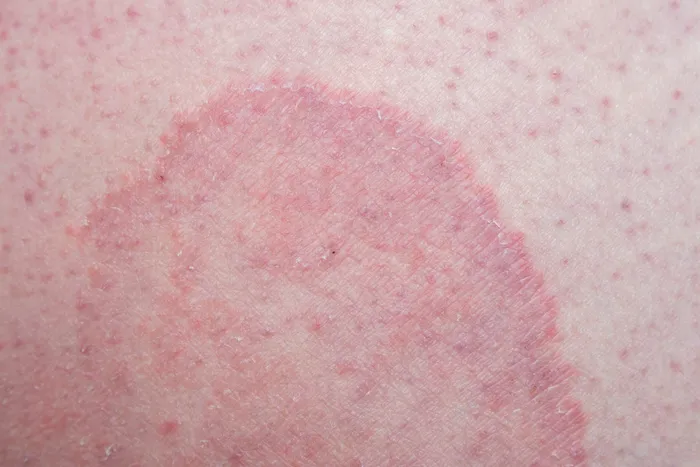
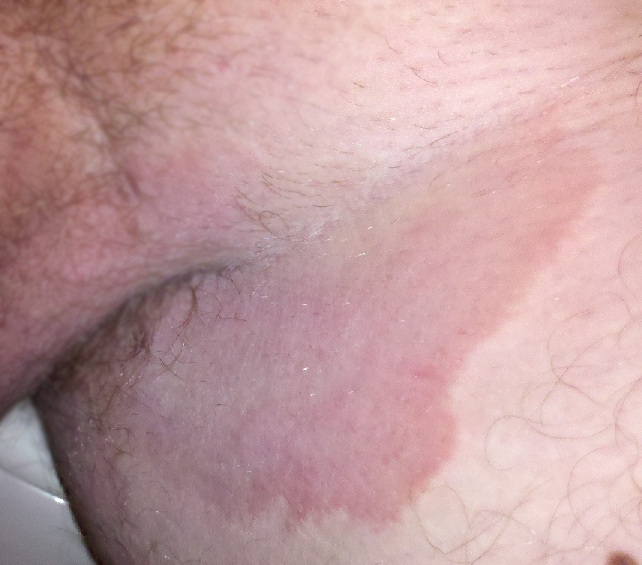
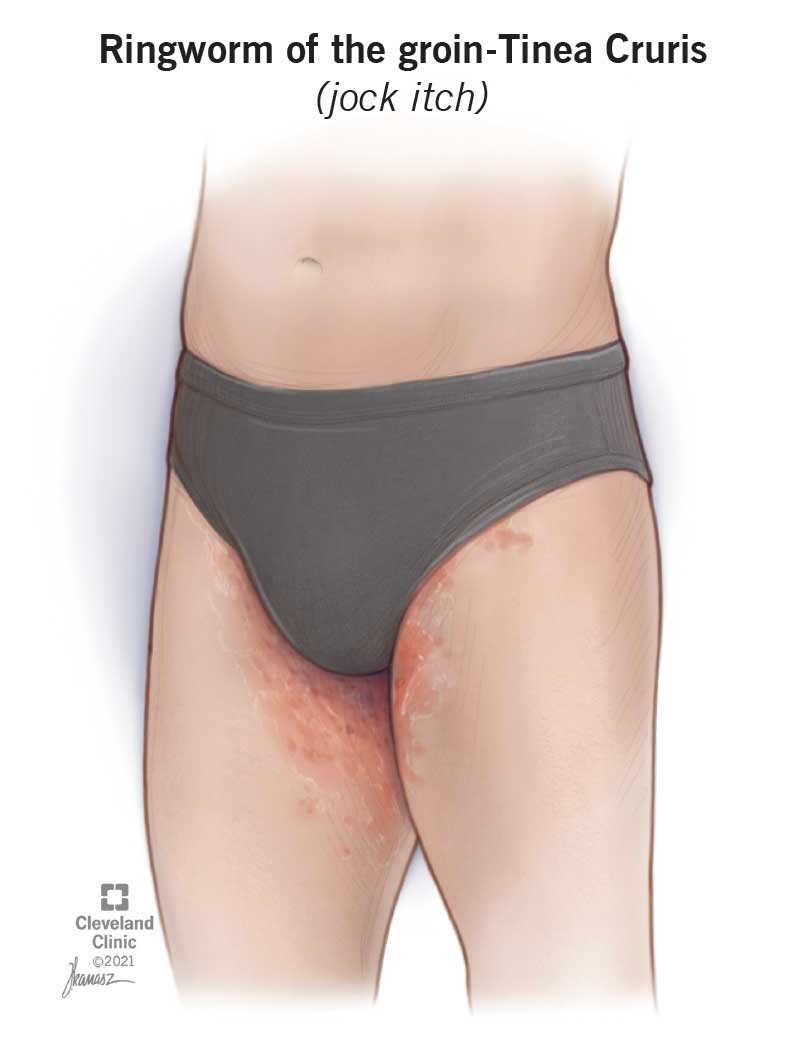
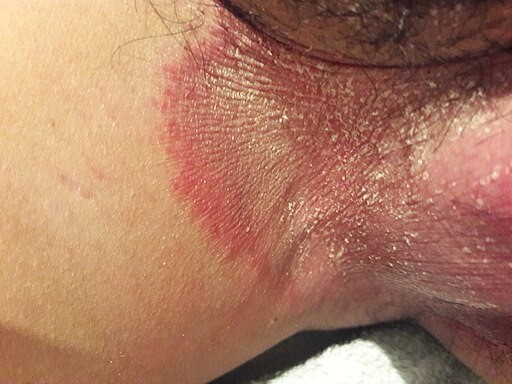
Common signs include:
- A red or reddish-brown rash
- A ring-shaped or circular pattern
- Raised, slightly scaly edges
- Persistent itching or burning
- Cracked, peeling, or irritated skin
It usually starts in the inner thighs and may spread to nearby areas.
How Is It Linked to Athlete’s Foot & Ringworm?
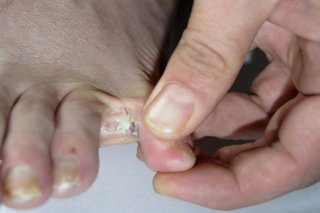
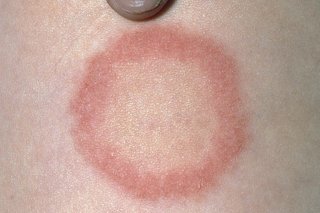

Jock itch, athlete’s foot, and ringworm are all caused by the same fungus. This means the infection can easily spread from one part of the body to another.
Common ways it spreads:
- Touching infected feet, then the groin
- Using the same towel for multiple areas
- Wearing contaminated clothing
- Poor hygiene in sweaty environments
One of the most common causes of jock itch is untreated athlete’s foot spreading upward.
Who Is Most at Risk?
You’re more likely to develop jock itch if you:
- Sweat heavily or exercise frequently
- Wear tight or non-breathable clothing
- Stay in damp clothes for long periods
- Already have athlete’s foot
- Have a weakened immune system
How to Get Rid of Jock Itch (Medical + Natural Approaches)
1. Keep the Area Clean & Dry
This is the most important step.
- Wash daily with a gentle cleanser
- Dry thoroughly (especially skin folds)
- Use a separate towel for affected areas
- Fungus cannot survive well in dry conditions.
2. Use Antifungal Treatments
Over-the-counter antifungal creams are highly effective.
Look for:
- Clotrimazole
- Miconazole
- Terbinafine
Apply consistently for at least 1–2 weeks.
3. Natural Remedies & Essential Oils
Natural treatments can help soothe symptoms and support recovery, especially:
- Hempseed Oil
- Tea Tree Oil
- Lavender Oil
- Eucalyptus Oil
- Oregano Oil
- Clove Oil
- Lemongrass Oil
- Peppermint Oil
Important:
Always patch test essential oils and never apply them undiluted, as they can irritate sensitive skin.
4. Treat Athlete’s Foot at the Same Time
If you ignore athlete’s foot, the infection may keep returning.
- Check your feet for:
- Peeling skin
- Cracks between toes
- Itching
Treat both areas together to stop the cycle.
5. Wear Breathable Clothing
- Choose loose-fitting underwear
- Use cotton or moisture-wicking fabrics
- Change clothes after sweating
6. Prevent It From Coming Back
- Don’t share towels
- Wash clothing regularly in hot water
- Put socks on before underwear (to avoid spreading fungus)
When to See a Doctor
- Seek medical advice if:
- Symptoms don’t improve after 2 weeks
- The rash becomes painful or severe
- It spreads rapidly
- You have underlying health conditions like diabetes
Final Thoughts
Jock itch is uncomfortable—but very treatable.
The key is acting early, staying consistent with treatment, and understanding its connection to athlete’s foot and ringworm.
Simple Plan:
- Keep skin clean and dry
- Use antifungal treatments
- Support healing with natural remedies
- Treat all affected areas
With the right approach, you can clear the infection quickly and prevent it from returning.